
 See Our Latest Article on HelloNation
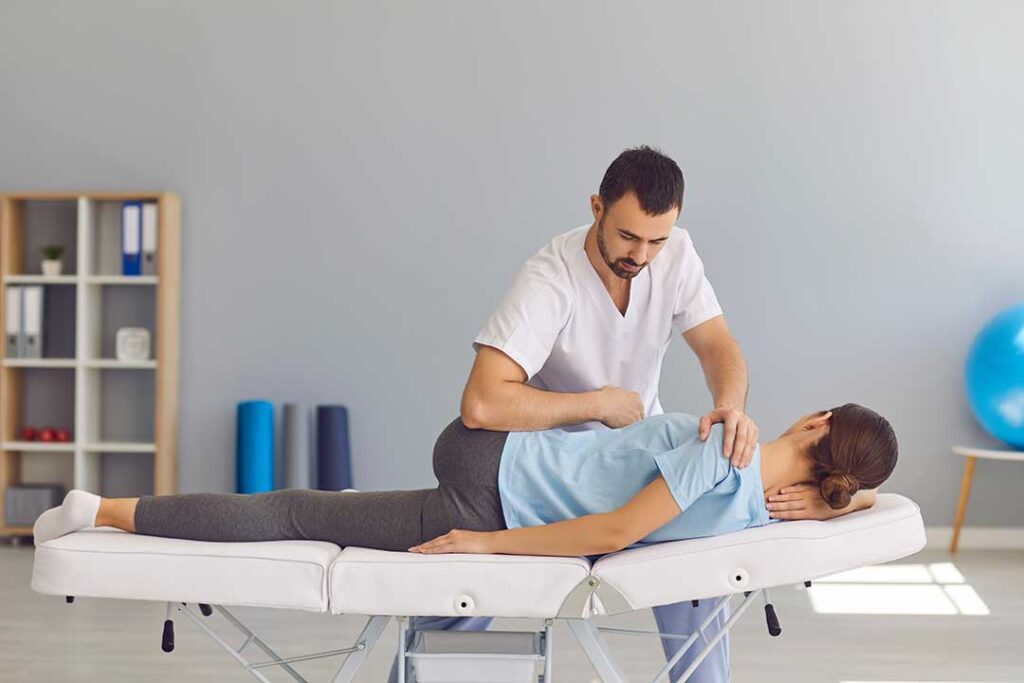
Can Poor Posture Actually Cause Headaches?
Yes, poor posture is a recognized cause of certain tension-type headaches. Many residents in Babylon, NY experience headaches related to the way they sit, stand, or look at screens throughout the day. Though not every headache traces back to posture, body alignment often plays a surprisingly large role.
People who spend long hours sitting at desks, commuting by car, or using digital devices are at increased risk of developing posture-induced headaches. These headaches often begin as tightness in the shoulders or neck and gradually radiate upward.
Why Do Headaches Develop from Poor Posture?
Poor posture places extra stress on the muscles and joints of the neck and upper back. Over time, this added strain can cause muscle tension, joint irritation, and even nerve irritation—all of which contribute to the development of headaches.
Here’s why this happens:
- Slouching or leaning forward moves the head away from its balanced position over the spine.
- For every inch your head moves forward, the strain on neck muscles increases, requiring more effort to simply keep your head up.
- Muscles in the neck, shoulders, and upper back can become tense or fatigued, leading to discomfort, stiffness, and headache pain that builds throughout the day.
People in Babylon tend to spend more time indoors during colder months, often resulting in more time sitting or using screens inside, which can increase these postural stresses.
What Does a Headache from Poor Posture Feel Like?
Posture-related headaches are typically described as tension-type headaches, though not all headaches from muscle tension feel exactly the same. In most cases, the symptoms include:
- A dull, aching pain (not throbbing) that may begin at the base of the skull or the back of the neck
- Tightness or pressure that wraps around the head or sits behind the eyes
- Stiffness or soreness in the neck and upper back
- Worsening discomfort with prolonged sitting, reading, screen use, or phone time
These headaches can be episodic (coming and going) or chronic, especially if long-term posture habits don’t improve. Some people notice relief with movement, stretching, or lying down.
What Postural Habits Commonly Contribute?
Certain everyday habits make posture-related headaches more likely, especially in places like Babylon where household setups and commute patterns often involve extended sitting. Examples include:
- Extended computer use with forward head posture
- Reading or using phones with your head bent down
- Craning your neck while driving, especially in traffic
- Working at a kitchen table or on a couch not designed for computer work
- Sleeping with too many or too few pillows, leading to awkward neck angles
Seasonal factors also affect posture locally. In winter, residents often spend more time indoors on couches or at makeshift home offices, both of which may not provide adequate ergonomic support. These habits can subtly train the body into less optimal alignment.
Are Other Causes Possible?
Not all headaches originate from posture. Serious medical issues, dehydration, hormonal changes, and sinus congestion—especially during allergy seasons commonly experienced in Babylon—can also trigger headaches.
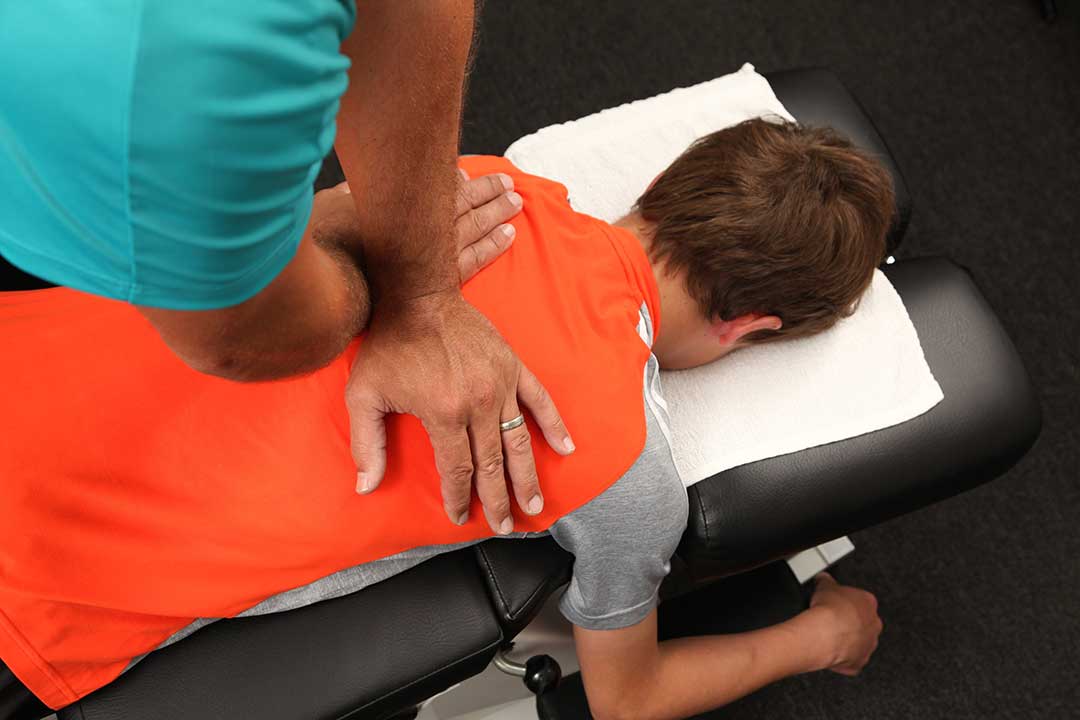
Signs something more significant may be contributing include:
- Sudden or severe headache unlike any other
- Headaches with fever, confusion, or stiff neck not related to posture
- Changes in vision or balance
If these symptoms occur, seeking medical advice is necessary.
How Can Residents Reduce the Impact of Posture on Headaches?
Simple changes in daily habits can make a noticeable difference. Improving body alignment and keeping muscles moving are usually recommended for managing tension headaches.
Try these approaches at home or at work:
- Adjust your workspace so screens are at eye level and chairs offer solid back support
- Take standing or stretching breaks every 30–60 minutes
- Strengthen upper back and neck muscles with gentle exercises or local walking trails
- Use a supportive pillow that keeps your neck in a neutral position at night
- Monitor your posture in mirrors or while using your phone to build self-awareness
Many area residents also find relief from regular stretching or brief walks around the neighborhood, which help reduce muscle fatigue.
What Should You Watch for in Local Daily Life?
Changing household routines or climate-related behaviors can influence posture. For example, extra time indoors during storms or winter weather can lead to more couch or bed-based work. Families may spend long periods at local parks in spring or summer, but if using laptops or devices outside, posture can still be affected.
For both adults and students in Babylon, heavy backpacks or poorly set up study stations can add to postural strain. Awareness and small adjustments can go far in reducing both occasional and recurring headaches.
