
 See Our Latest Article on HelloNation

Poor posture is more than a matter of appearance. Repeated slouching, leaning, or holding the head forward can increase strain on muscles and joints, limit comfortable movement, and contribute to neck, shoulder, and back symptoms. For residents of Babylon, NY, posture can be affected by desk work, phone use, driving, household tasks, and long periods indoors during colder or rainy weather.
What does poor posture do to the body?
Poor posture changes how the body distributes weight and manages movement. The head, spine, pelvis, shoulders, and legs work as a connected system. When one area remains out of alignment for long periods, other muscles may compensate.
For example, a forward-head position increases the work required from the muscles at the back of the neck. Rounded shoulders can restrict shoulder movement and place extra demand on the upper back. Slouching may also reduce the natural support provided by the trunk and hips.
Posture is not a single position that must be held all day. Healthy movement includes changing positions regularly, shifting weight, walking, reaching, and relaxing. The concern is usually not a few minutes of slouching, but spending hours in the same limited position without enough movement.
Can poor posture cause neck and back pain?
It can contribute to neck and back pain, although posture is rarely the only possible cause. Muscles may become overworked, joints may feel stiff, and tissues may become more sensitive after prolonged loading.
Common symptoms associated with postural strain include:
- Aching or tightness in the neck
- Tension across the shoulders
- Headaches that begin near the neck
- Discomfort between the shoulder blades
- Low back soreness after sitting
- Hip stiffness after driving or working at a desk
- Pain that improves after changing position or walking
A posture-related problem may feel mild at first and become more noticeable near the end of a workday or after extended screen use. However, persistent pain can also result from an injury, arthritis, nerve irritation, or another medical condition. Posture should not be assumed to be the sole explanation for ongoing symptoms.
How can posture affect breathing and energy?
A collapsed sitting position can limit how freely the ribs and trunk expand. This does not usually create a serious breathing problem in an otherwise healthy person, but it may make deep breathing feel less comfortable or encourage shallow breathing during sedentary tasks.
Poor alignment can also make ordinary activities require more muscular effort. If the head is held forward or the trunk is unsupported, the body may use extra energy to maintain balance. This can contribute to fatigue, especially during long periods of computer work, studying, gaming, or phone use.
In Babylon households, these habits may appear in different settings: working from a laptop at a kitchen table, reading on a couch, commuting by car, or using a mobile device while standing in line. The specific setting matters less than the pattern of staying still in an awkward position for too long.
Does poor posture affect headaches?
Neck and upper-shoulder tension can contribute to some headaches, particularly headaches associated with prolonged screen use or sustained muscle contraction. A forward head position may increase the demand on the muscles that support the skull and neck.
Posture-related headaches often occur with neck stiffness, shoulder tightness, or discomfort that changes when the person moves. Still, headaches have many possible causes, including migraine, dehydration, poor sleep, vision problems, infection, medication effects, and high blood pressure.
A sudden severe headache, a headache after an injury, or a headache accompanied by weakness, confusion, fainting, fever, vision changes, or difficulty speaking requires prompt medical attention.
Can posture affect balance and movement?
Yes. A stiff or consistently uneven posture may reduce the range of positions a person can comfortably use. Someone who always leans to one side, avoids turning the neck, or keeps the hips and shoulders fixed may gradually move less freely.
Limited movement can affect everyday activities such as:
- Looking over the shoulder while driving
- Reaching into a cabinet
- Carrying groceries
- Climbing stairs
- Gardening or yard work
- Shoveling snow
- Getting up from a chair
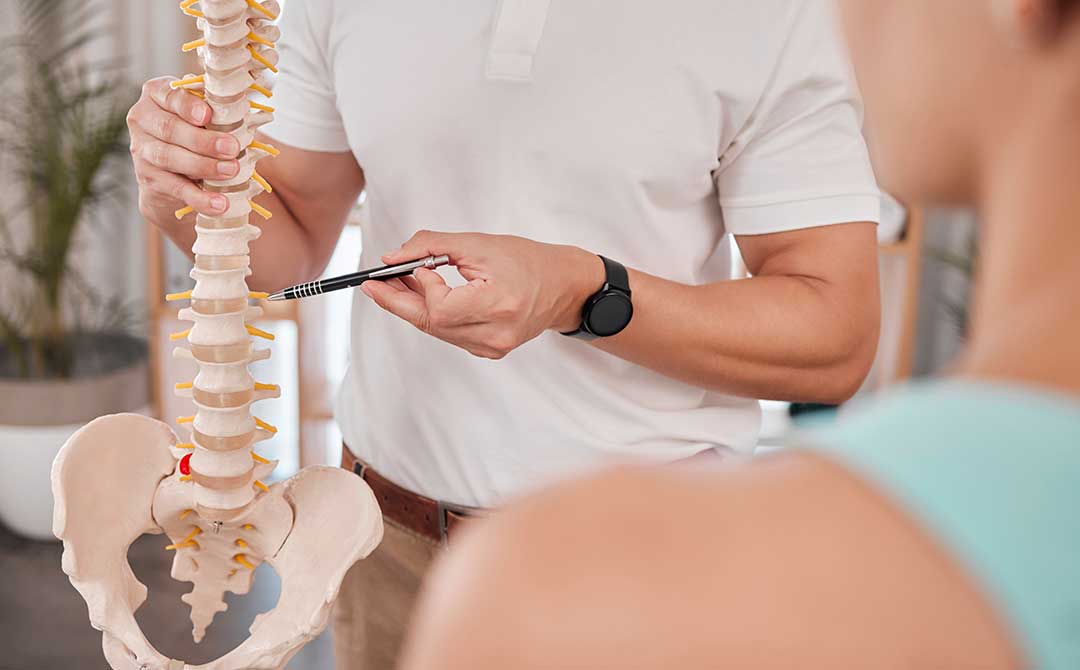
Seasonal tasks deserve particular attention. Cold weather may encourage people to remain indoors and sit for longer periods, while spring yard work can combine prolonged bending with lifting or twisting. The issue is not that any single posture is automatically harmful; risk tends to increase when the body is unprepared for a task or remains in one position too long.
What is a healthier sitting posture?
A useful sitting position allows the body to feel supported without forcing the spine into a rigid shape. Feet should rest comfortably on the floor or on a stable support. Knees and hips should remain reasonably comfortable, and the lower back should not be left unsupported for long periods.
For desk or computer work:
- Keep the screen near eye level so the head does not constantly angle downward.
- Let the shoulders remain relaxed rather than lifted or pulled forcefully backward.
- Keep the elbows close to the body when using a keyboard or mouse.
- Avoid holding a phone between the ear and shoulder.
- Change position regularly instead of trying to maintain one “perfect” posture.
- Stand, walk, or stretch briefly throughout the day.
A healthy posture should not feel rigid. Pulling the shoulders back excessively or arching the lower back can create a different form of strain.
How can residents improve posture without special equipment?
The most practical approach is to combine better positioning with more frequent movement. A comfortable chair can help, but no chair can fully offset hours of uninterrupted sitting.
Simple strategies include placing frequently used items within easy reach, alternating sitting and standing when possible, taking short walking breaks, and using reminders to check whether the head has drifted toward the screen. Light strengthening and mobility exercises may also help, particularly exercises that support the upper back, trunk, hips, and neck.
The goal is not to hold the body stiffly. It is to build enough strength, flexibility, and movement variety that no single posture dominates the entire day.
When should posture-related pain be evaluated?
Pain that continues, worsens, repeatedly returns, or interferes with sleep, work, walking, or daily activities deserves evaluation. Numbness, tingling, weakness, loss of coordination, pain traveling into an arm or leg, or changes in bladder or bowel control should be addressed promptly.
After a fall, collision, or other injury, symptoms should not be dismissed as ordinary postural strain. Chest pain, unexplained shortness of breath, fever, unexplained weight loss, or severe nighttime pain also warrants timely medical attention.
Chiropractic care, physical therapy, primary care evaluation, and other forms of healthcare may each have a role depending on the cause of the symptoms. The first step is identifying whether the problem is mainly related to movement habits or whether another condition needs attention.
