
 See Our Latest Article on HelloNation
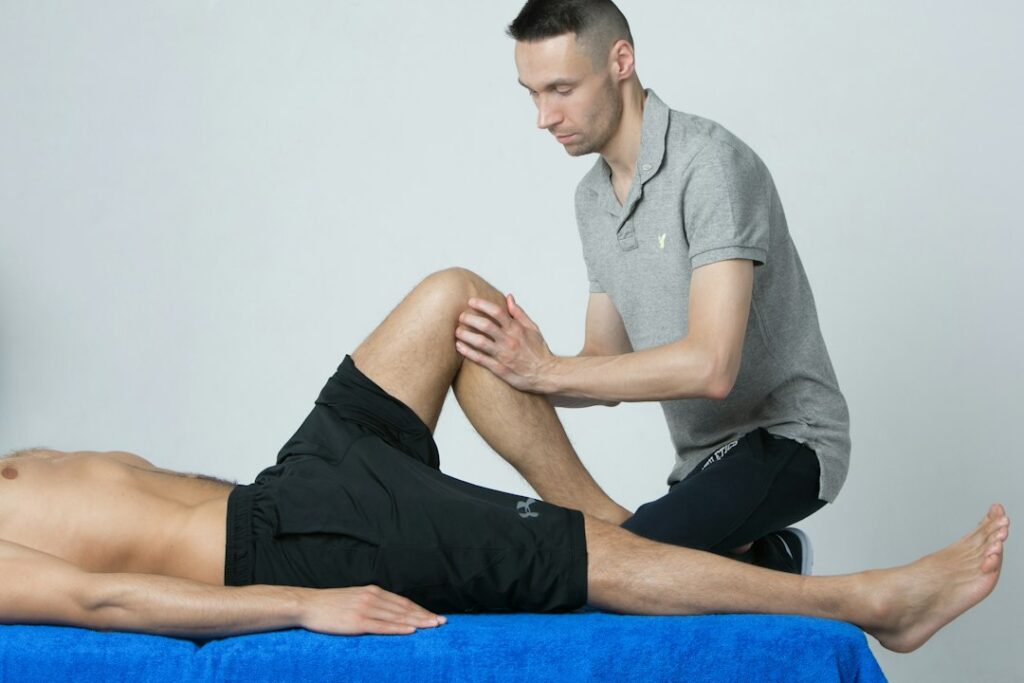
What role can chiropractic care play after a sports injury?
In Babylon, NY, athletes and active residents may turn to chiropractic care for help with certain muscle, joint, and movement-related problems. Chiropractic treatment is generally most relevant to musculoskeletal injuries, such as back pain, neck stiffness, joint restriction, muscle tension, and some activity-related strains.
Its role is usually supportive rather than exclusive. A careful treatment plan may combine hands-on care with mobility work, strengthening, balance training, activity modification, and education about returning to exercise safely. Chiropractic care does not replace emergency treatment, orthopedic evaluation, imaging, or concussion management when those services are needed.
Which sports injuries may respond to chiropractic care?
Chiropractic care may be considered for injuries involving the spine and other parts of the musculoskeletal system. Examples include:
- Low-back pain after lifting, twisting, running, or contact
- Neck stiffness following a fall or collision
- Muscle strains involving the hamstrings, calves, hips, or lower back
- Joint stiffness in the shoulders, hips, knees, ankles, or spine
- Overuse-related discomfort from repetitive throwing, cycling, rowing, or running
- Minor sprains after the initial injury has been assessed
- Movement problems that continue after an injury has begun to settle
The usefulness of treatment depends on the specific tissue involved, the severity of the injury, the person’s health history, and how soon normal movement can safely resume. A painful area is not always the source of the problem. For example, an athlete may feel knee discomfort while the contributing limitation involves the hip, ankle, or lower back.
How might treatment support recovery?
Chiropractic care may help restore comfortable movement in restricted joints and reduce the protective muscle tension that develops after an injury. Treatment can include gentle mobilization, spinal manipulation when appropriate, soft-tissue techniques, stretching, and exercise-based rehabilitation.
The goal is not simply to make a joint “move back into place.” Joints do not routinely slip out of position during ordinary sports activity. A more accurate goal is to improve mobility, reduce sensitivity, and help the athlete use the injured area with better control.
A rehabilitation plan may address:
- Range of motion
- Strength on both sides of the body
- Balance and coordination
- Landing, lifting, or running mechanics
- Gradual exposure to sport-specific movements
- Training errors, poor recovery, or sudden increases in activity
For a runner, this might mean progressing from walking to easy jogging before adding hills or speed work. For a recreational tennis player, it may involve rebuilding shoulder strength and gradually increasing serving volume. The plan should match the demands of the activity rather than focus only on pain relief.
Does chiropractic care improve athletic performance?
Pain-free movement and better mobility can make activity feel easier, but claims that spinal manipulation directly improves athletic performance are not strongly established. Research on performance enhancement has been limited and mixed.
That distinction matters. Chiropractic care may help address a physical problem that interferes with training, but it should not be presented as a way to create unusual strength, speed, flexibility, or endurance in an otherwise healthy athlete.
Performance still depends on conditioning, sleep, nutrition, sport technique, recovery time, psychological readiness, and appropriate training progression. No hands-on treatment can compensate for repeatedly training through significant pain or returning to competition before an injury has healed.
When should an athlete seek medical evaluation first?
Some injuries require prompt medical assessment before chiropractic treatment is considered. Urgent evaluation is appropriate for:
- Suspected fracture or dislocation
- Inability to bear weight or use a limb normally
- Major swelling, deformity, or rapidly increasing bruising
- Numbness, weakness, loss of coordination, or changes in bladder or bowel control
- Severe pain after a collision or fall
- Chest pain, shortness of breath, or fainting during exercise
- Head injury followed by confusion, repeated vomiting, worsening headache, unusual behavior, or loss of consciousness

Concussions require particular caution. Neck treatment should not be used as a substitute for a concussion assessment, observation, or a medically guided return-to-play process. Symptoms may develop gradually, so an athlete should not continue competing simply because the initial impact did not seem severe.
Persistent pain also deserves reassessment. Discomfort that is not improving, repeatedly returns with the same activity, or affects sleep may indicate a tendon injury, stress injury, ligament problem, nerve irritation, or another condition requiring a different type of care.
What happens during an evaluation?
A thorough evaluation begins with questions about how the injury occurred, when symptoms started, what movements make them worse, and whether training or equipment changed recently. The assessment may include posture, walking, joint motion, muscle strength, balance, and sport-specific movements.
A responsible evaluation also considers factors that can affect healing, including previous injuries, medications, bone health, age, training load, and general medical conditions. Imaging is not necessary for every sports injury, but it may be appropriate when a fracture, significant tissue damage, or another serious condition is suspected.
Treatment should be adjusted if symptoms change. A technique that is reasonable for uncomplicated back stiffness may not be suitable after a high-impact injury, in someone with certain bone or vascular conditions, or when neurological symptoms are present.
How can local conditions affect sports injuries?
Seasonal habits in Babylon can influence injury patterns. Cold weather may lead people to spend more time indoors, then return abruptly to outdoor running, field sports, cycling, or recreational activities when conditions improve. Winter falls, spring training, summer water activities, and autumn leagues each place different demands on the body.
Outdoor surfaces can also change with rain, standing water, leaves, uneven pavement, or frozen ground. Indoor athletes may face different challenges, such as repetitive jumping, limited warm-up space, or long periods of sitting between practices and games.
A gradual warm-up, appropriate footwear, hydration, and realistic increases in training volume are often more useful than relying on treatment after symptoms begin. Rest days and strength work should remain part of the plan even when an athlete feels ready to resume full activity.
How should someone return to sports after an injury?
Return should be based on function rather than a calendar date alone. An athlete should generally be able to perform basic movements—such as walking, jogging, changing direction, jumping, or lifting—without significant pain, weakness, instability, or worsening symptoms afterward.
A staged return may look like this:
- Normal daily activity without a symptom increase
- Light, noncontact sport movements
- Moderate practice with reduced intensity or duration
- Full practice after tolerance is demonstrated
- Competition once strength, movement, and confidence are adequately restored
Pain that steadily worsens during activity or lasts into the next day is a sign that the workload may be advancing too quickly. The safest approach is coordinated care when an injury involves several needs, such as medical diagnosis, rehabilitation, concussion monitoring, or sport-specific conditioning.
