
 See Our Latest Article on HelloNation
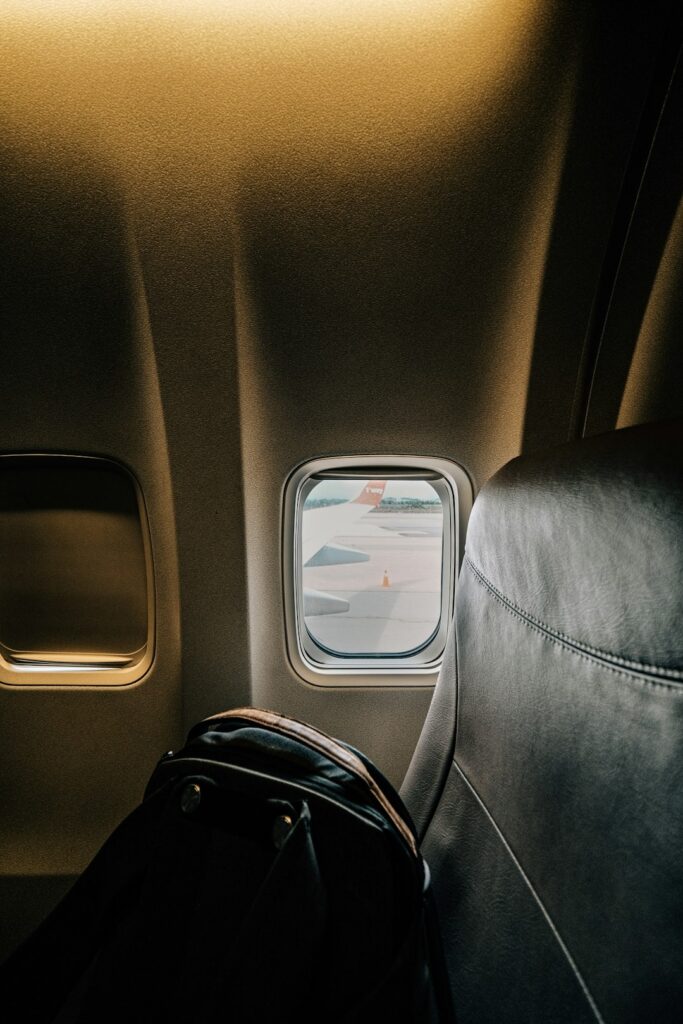
Long periods of sitting, awkward lifting, limited legroom, and sudden changes in activity can all irritate the lower back during travel. Residents of Babylon, NY can often reduce these problems by preparing before departure, changing positions regularly, and handling luggage with care.
Why does travel trigger lower back pain?
Travel often combines several stressors that affect the spine and surrounding muscles:
- Sitting in one position for hours
- Slouching or leaning toward a phone, book, or dashboard
- Carrying bags on one side of the body
- Lifting luggage from the floor or overhead compartments
- Sleeping in unfamiliar beds or seats
- Walking much more than usual after a long period of sitting
- Dealing with traffic, delays, or cold weather that encourages stiffness
The lower back usually tolerates movement better than prolonged, unsupported positions. A person who feels comfortable during normal daily activities may still develop soreness after a long drive, flight, train ride, or bus trip.
Travel-related pain is often muscular and temporary, but it should not automatically be dismissed as simple stiffness. Pain that is severe, worsening, or associated with neurological symptoms deserves medical attention.
How should a traveler prepare before leaving?
Preparation is more useful than trying to “stretch out” a painful back at the last minute. In the days before a trip, maintain normal activity if possible. Walking, gentle mobility exercises, and regular changes of position can help the body tolerate extended sitting.
Avoid suddenly starting intense workouts, heavy lifting, or unfamiliar exercises immediately before departure. A new exercise routine can leave the back sore before the trip even begins.
A practical pre-travel checklist includes:
- Pack lighter bags when possible.
- Divide heavy items between two smaller bags instead of one overloaded suitcase.
- Place frequently needed items where they can be reached without repeated bending.
- Choose clothing that allows comfortable movement.
- Bring any prescribed medication according to existing medical instructions.
- Plan breaks for longer car trips rather than waiting until discomfort becomes severe.
People with a history of recurring back pain may also benefit from discussing travel plans with a qualified healthcare professional before departure, especially if pain recently became more frequent or began after an injury.
What is the safest sitting position during a long trip?
The goal is not to hold one perfect posture for hours. The better strategy is to use a supported, neutral position and change it regularly.
Keep both feet supported when possible. The knees should be roughly level with or slightly lower than the hips, and the lower back should not be forced into a deep slouch. A small rolled towel or compact cushion may provide support in the hollow of the lower back, but it should feel comfortable rather than push the spine forward.
Avoid keeping a wallet, phone, or bulky object in a back pocket while sitting. This can tilt the pelvis and create uneven pressure.
During a car trip, adjust the seat so the pedals can be reached without stretching the legs and the steering wheel can be held without leaning forward. Reclining the seat slightly may reduce strain, but excessive reclining can cause the head and neck to move forward.
During air, bus, or train travel, use available legroom without twisting the pelvis. If an aisle position makes it easier to stand and move, that may be useful for longer journeys.
How often should travelers move?
A brief movement break is generally better than waiting for the back to become painful. On road trips, stop periodically to walk for a few minutes and gently move the hips, legs, and spine. Avoid bending deeply or forcing a stretch immediately after prolonged sitting.
On aircraft, buses, or trains, move the ankles and knees while seated and stand or walk when it is safe and permitted. Simple movements include:
- Ankle pumps
- Alternating heel lifts
- Gentle knee straightening
- Shoulder rolls
- Easy standing walks during appropriate breaks

Long-distance travel also involves a separate risk of blood clots in the legs, particularly during trips lasting more than four hours. Regular leg movement and walking can help circulation. People with a previous blood clot, recent surgery, certain medical conditions, or other risk factors should ask a healthcare professional about individualized travel precautions.
How can luggage be handled without straining the back?
Luggage is a common cause of sudden travel-related back pain. Use the legs and keep the load close to the body when lifting. Avoid twisting while raising a suitcase, and turn the entire body instead.
For a floor-level bag:
1. Stand close to the luggage.
2. Bend at the hips and knees while keeping the spine in a comfortable position.
3. Grip the handles securely.
4. Lift smoothly without jerking.
5. Pivot with the feet rather than rotating the trunk.
Do not lift a heavy bag overhead if it feels unstable or requires significant straining. Ask for assistance when needed, particularly with heavy luggage, crowded compartments, wet pavement, or icy conditions. Seasonal rain, snow, and slippery walkways can increase the chance of a fall while carrying bags.
Rolling luggage can reduce carrying demands, but dragging it behind the body for long distances may still cause twisting. Keep the handle at a height that allows an upright posture and switch hands when practical.
What should travelers do after reaching their destination?
The first hours after arrival can influence whether soreness fades or becomes more noticeable. Take a short walk before settling into a chair or bed. Gentle movement is usually preferable to remaining still for the rest of the day.
If sleeping in an unfamiliar bed, avoid assuming that a very firm mattress is automatically better for the back. Comfort, support, and the ability to change positions matter more than a single mattress label. Side sleepers may feel more comfortable with a pillow between the knees, while back sleepers may prefer support beneath the knees.
Plan the first day of activities realistically. A long period of sitting followed by several hours of walking, standing, or carrying bags can overload muscles that have been inactive.
Which stretches are reasonable during travel?
Gentle mobility is usually safer than forceful stretching. A traveler might try a slow walk, relaxed hip movement, or gentle standing extension if it feels comfortable. Movements should not cause sharp pain, increasing leg symptoms, numbness, or weakness.
Stop an exercise if symptoms worsen. Stretching is not a requirement for preventing back pain, and forcing a stretch cannot “put” the spine back into place. Consistent movement, sensible lifting, and position changes are generally more useful.
When should travel-related back pain be evaluated?
Seek prompt medical attention for back pain accompanied by new weakness, loss of bladder or bowel control, numbness in the groin area, fever, unexplained weight loss, or pain after a serious fall or collision. Pain that travels down a leg with significant numbness or weakness also warrants evaluation.
A swollen, painful, warm, or unusually discolored leg after prolonged travel may indicate a blood clot, especially if accompanied by sudden shortness of breath, chest pain, coughing blood, or faintness. These symptoms require urgent medical care.
For ordinary soreness, symptoms should gradually improve with comfortable movement and routine self-care. If pain persists, repeatedly returns after travel, or interferes with walking and sleep, an individualized evaluation can help identify contributing factors such as joint irritation, nerve involvement, muscle weakness, or travel habits that need adjustment.
